Bounce houses make ordinary gatherings feel like events. The hum of a blower, the thump of small feet, the squeals when a kid finally masters the slide, it all adds up to a day people remember. I’ve planned school carnivals, church fundraisers, and more backyard birthdays than I can count, and I’ve learned that a great jumper rental isn’t just about booking the cutest bouncy castle rental. It’s about safety that’s invisible but solid, setup that makes the day run smoothly, and smart choices that keep costs in check without cutting corners.
This guide walks through the decisions that matter: choosing the right inflatable, picking a reputable local bounce house company, preparing your site, managing weather, handling supervision, and locking in value. I’ll share what I’ve seen go right, what can go sideways, and the small moves that make a big difference.
Picking the right inflatable for your crowd and space
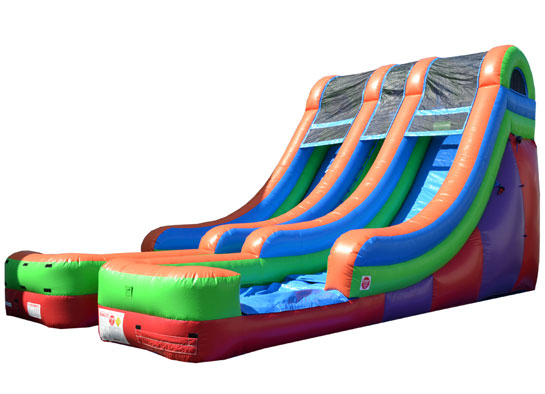
Start with the kids, then check your yard. Age ranges, headcount, and the type of play they crave should guide your choice. If your party skews toward younger children, a basic inflatable bounce house with generous wall heights and a low entrance keeps things simple and safe. Elementary-aged kids love a birthday party bounce house with a short slide. Middle schoolers want more action, which is where an inflatable obstacle course rental or a taller inflatable slide rental starts to shine.
Now measure the space with a tape, not an estimate. A standard 13 by 13 foot jumper needs a 15 by 15 foot safety footprint. Add room for the blower and a safe entrance path. Combo units with slides often run 15 by 25 feet or more. Water slide rental setups, even smaller ones, need extra landing space and safe drainage, plus hose access. For driveway or patio installs, confirm the surface is flat with at least a slight texture. Polished stone or freshly sealed concrete gets slippery.
Indoor bounce house rental options exist for gyms, community centers, and church halls. Ask for ceiling height requirements. You want at least a foot or two of clearance above the highest point to avoid rubbing lights or ductwork. Hard floors indoors often require additional mats or ground covers. You’ll appreciate how much quieter an indoor event is when you add a couple of foam tiles near the entrance.
When you are dealing with limited square footage, I like a modular kids party inflatable that offers bounce and a small climb with one entrance and a clear sightline. Less overlap means easier supervision.
What separates a good rental company from a great one
The gear matters, but the people behind it often matter more. A local bounce house company with strong reviews typically has consistent maintenance routines, trained delivery teams, and real accountability. Don’t just browse photos. Call and ask specific questions: how often do they inspect seams, replace netting, and sanitize surfaces? Are they insured with both general liability and, ideally, workers’ comp for their crews? Do they anchor with heavy-duty ground stakes or commercial sandbags? You’ll learn more in five minutes of conversation than an hour of web surfing.
Listen for clear, confident answers on setup times, power requirements, and weather policies. You want a partner who explains wind limits without hedging. Most commercial jumpers cap safe operation around 15 to 20 mph sustained winds, with lower limits for tall water slides. If someone says they “play it by ear,” move on. I once watched a crew refuse to set up when gusts hit 25 mph. It disappointed the host for an hour. The squall came through thirty minutes later, picked up loose chairs, and proved the crew right.
A good company will also ask you questions: surface type, hose access for water units, nearest power source, gate width, and slope. That back-and-forth is a sign they are protecting you and themselves.
Power, anchoring, and the anatomy of a safe setup
Blowers are simple machines with non-negotiable needs. They draw a consistent flow of air, not a lot of pressure, and they must run continuously. Most standard blowers pull around 7 to 12 amps each. If you rent a party inflatable rental with two blowers, plan for two separate circuits to avoid tripping breakers. Outdoor outlets often pair on the same circuit, so ask your installer where to plug in. If your layout forces long extension runs, use thick, commercial-grade cords, typically 12 gauge, and keep them fully uncoiled to prevent overheating.
Anchoring is the backbone of safety. On grass, long steel stakes hammered at an angle hold best. On concrete or turf fields where you can’t penetrate the ground, commercial sandbags or water barrels do the job when placed correctly and secured with proper straps. I’ve seen poorly weighted setups creep an inch at a time during energetic play. That tells you anchor points are party inflatables for events mismatched or underweighted. The install crew should test movement after inflation, then recheck after the first wave of kids jumps on.
Ground surfaces need a quick scan before placement. Remove rocks, sticks, sprinkler heads with exposed edges, and any pet waste. If you see a slight slope, ask to rotate the inflatable so fall paths lead away from hard surfaces or obstacles. For water slide rentals, consider drainage. Landing pools brim and overflow. You want that water to run away from entrances and seating, not toward your patio door. If your soil drains slowly, lay a small trench with a garden trowel to carry overflow into a mulched bed.
The age rule that saves you from most injuries
Most mishaps come from mixing big kids with small kids. The physics are simple: a ten-year-old and a three-year-old moving inside the same inflatable can double the chance of collisions and awkward landings. Age and size separation is the single most effective control. If your headcount spans a wide range, create timed rotations. Five to seven minutes per group works well for larger parties. Keep the loudspeaker or kitchen timer handy and be consistent. Kids adapt fast when the rules are clear and fair.
Shoes off and empty pockets should go without saying, yet you’ll still find a stray key or toy car if you don’t check. It takes one sharp object in a pocket to scrub a scheduled bounce. I keep a shallow plastic bin by the entrance and make it a game to drop stuff in before kids enter. Sunglasses and hats off for slides, too. The suction at the bottom pool loves to keep souvenirs.
Water units: fun amplified, risks multiplied
Water slides carry the backyard party rentals biggest smiles and the most variables. You need a hose with steady pressure, a path that stays mud-free, and a plan for wet feet. The landing areas are slicker than bounce floors, and the entry ladders get crowded with excited kids. Clearly limit how many climb at once. I stick to one climber per rung zone, with the next climber waiting on the mat, not the ladder. If a slide is taller than a single-story window, I position an adult near the ladder full-time.
Water temperature matters more than people think. In peak summer, the hose can run hot for the first minute. Run it away from the slide to purge that heat. Conversely, spring events can leave kids shivering after a few runs. Plan a towel station in the sun and a rotation into a dry activity. Consider starting the water later in the party after kids have enjoyed a dry bounce, especially if the day is breezy. A soaked child becomes chilled fast in wind.
A common question: can you place a water unit on artificial turf? Yes, but know that some turfs become slick and hot under direct sun. Ask the company for extra mats at the ladder and exit. Also note that water plus turf infill can track into the house. Prep the walkway with outdoor rugs or ask the crew to run a vinyl path so feet stay cleaner.
Weather calls: wind, heat, and the rain line
Wind is the dealbreaker. If sustained winds exceed the manufacturer’s limit or gusts spike beyond it, the safest move is to power down and deflate. That’s never the moment to negotiate. A properly anchored inflatable can still behave unpredictably in gusts, especially tall slides that act like sails. Trust the numbers and your crew’s judgment.
Heat introduces different hazards. Vinyl surfaces get hot under full sun, especially darker colors. A simple garden spritz or a shade canopy over the entrance helps. For backyard party rental setups, I like to position the inflatable to keep the entrance in shade by midafternoon, even if it means more carry for the crew. Hydration and breaks matter more than you think, particularly during two to three hour rentals with nonstop play.
Light rain without wind is manageable, though slick surfaces demand slower play and fewer kids. Heavy rain complicates blower safety and ground stability. GFCI outlets should trip if water compromises the circuit. If your outdoor outlet isn’t GFCI protected, use a GFCI adapter for the extension cord. Ask your company to bring one if you’re unsure.
Supervision that actually works
I’ve seen parties with six adults nearby, none watching. Supervision means eyes on entrances, active counting, and quick resets when kids pile up at exits. One adult can manage a single bounce house easily if rotations are in place and the group size is reasonable. Slides and obstacle courses need focused attention at the choke points: ladder, summit, and exit. When you hear louder-than-usual thumps, that’s your cue to thin the crowd or shorten intervals.
Set up your chairs parallel to the entrance, not perpendicular. That small shift keeps your field of view aligned with movement. If you rent an inflatable game rental such as a bungee run or joust, insist on helmets and strict one-on-one turns. Novelty games invite rule bending in the name of fun. You keep it fun by slowing the action.
Cleanliness, sanitation, and allergy awareness
Reputable companies sanitize contact surfaces between rentals. This should be visible in practice, not just promised. I look for crews that wipe high-touch areas like entrances, ladders, and slide lanes after setup. If your event includes toddlers, consider a quick second pass before play starts. Ask what products they use, especially if allergies are a concern. Fragrance-free, non-chlorine disinfectants are common. If a child has a latex sensitivity, confirm that the equipment uses PVC or vinyl and does not contain latex components. Tackle this early so you can pivot to a different unit if necessary.
Food and inflatables never mix well. Establish a food zone away from the entrance and gently redirect kids with snacks to the seating area. Cheese puffs leave neon fingerprints that no one needs.
Cost drivers you can control
Rental prices vary by region and season, but the main levers are size, complexity, duration, and delivery logistics. A standard bounce house rental might run a modest fee for four to six hours. Add a slide, and you add cost. Switch to a large water slide rental, and you can double or triple that figure. Weekend peak times bring surcharges, especially Saturday afternoons in warm months.
Delivery distance and obstacles matter. A backyard that requires a long carry around a tight side yard or up steps takes more labor. If your gate is under 36 inches wide, measure carefully. Tight fits may require smaller units or creative placement. Clear the path before the crew arrives. They move faster and with less risk of damage when bikes, bins, and garden tools are out of the way.
Power availability can either save or cost you. If you need a generator, expect a rental fee plus fuel. Sharing a generator between multiple units works only if it has adequate wattage and separate circuits. Ask your company to size the generator to the blowers with a cushion of at least 20 percent capacity.
Longer rentals don’t always multiply cost linearly. Many providers offer day rates that beat back-to-back hourly extensions. If your party runs from noon to seven, a day rate often makes sense.
Indoor options for winter and unpredictable weather
Indoor events cut the weather dice roll to near zero. Schools and community centers often allow an indoor bounce house rental with proper protection for floors. Confirm power access and ceiling height, then ask for low-profile blowers if noise is a concern. Mats at entrances keep socks from skidding under excited feet. Gym lighting can exaggerate glare on glossy vinyl. Darker color schemes sometimes help reduce eye strain.
One overlooked perk of indoor setups is better acoustics for instruction. Kids hear rotations more clearly. The trade-off is stricter occupancy limits and more echo when the crowd peaks. If you plan a large event inflatable inside, like a mini obstacle course, leave wider aisles than you think you need. Parents with strollers and grandparents need easy passage.
Booking windows and timing strategy
Prime dates fill months ahead, especially in late spring and early fall. For a Saturday in May, book four to eight weeks out. For holiday weekends, earlier is better. If you need a specific theme, such as a castle with a matching banner for a birthday party bounce house, longer lead time helps. Weekdays and Sundays offer better availability and often better pricing. If your event is flexible, a Friday evening rental can be a quiet win: you get a longer window with less competition and calmer kids after school energy dips.
Ask about arrival windows and buffer times. A company that plans 45 to 90 minutes for setup before your start time shows respect for margins. If they suggest an arrival five minutes before guests, expect stress. Inflatable setups move fast in perfect conditions and slow down when gates stick, cords are short, or a surface surprises.
Reading the fine print without getting tangled
Every contract includes language on responsibility, weather, and cleaning. Don’t overthink it, but do read it. Look for clear weather policies with either rain checks or partial refunds if unsafe conditions prevent setup. Many companies will reschedule within a set window. Some require a nonrefundable deposit. Understand whether they expect a grassy area free of sprinklers and dog fences. Invisible lines can pierce inflatable floors and create expensive repairs.
Damage fees should specify what counts as damage. A popped seam from age isn’t on you. A puncture from a dragging chair is. If your event includes face paint, ask if their policy restricts certain types. Oil-based paints and some glitter products bond stubbornly to vinyl.
A simple party flow that keeps kids happy
Great parties feel easy because the schedule has enough shape to avoid swarms. I like to open with free bounce time as guests arrive, then a midway break for snacks and drinks. If you booked an inflatable game rental or an inflatable obstacle course rental, run quick, timed relays right after the break. Kids burn energy fast when given a goal. Save the water slide for the back half if temperatures support it. That way kids who want to stay dry can enjoy early play, and those who are water-bound can splash without changing back. If cake is happening, do it shortly before the rental window ends. Sugar plus a nearing finish line makes cleanup smoother.
Common mistakes and easy fixes
The most frequent oversight is underestimating power. Check your outdoor outlets the day before with a simple device like a lamp or a phone charger, then note which breakers control them. Label them with painter’s tape if they’re not already labeled. The second mistake is overcrowding. When the inflatable looks like a popcorn machine of bodies, pause, reset groups, and run shorter rotations. Parents will thank you later.
Poor footwear control ranks third. One stray cleat or dress shoe is enough to bruise a small ankle. Make the shoe bin visible and the rule consistent. Finally, plan a quick sweep after deflation. Small toys and trash hide under vinyl seams and near blower areas. A 10 minute walkthrough with a trash bag and a magnet rake, if you have one, leaves the space better than you found it.
When to upgrade, when to keep it simple
Not every party needs a giant centerpiece. If your group is under 12 kids with a tight age range, a single inflatable bounce house is delightful and economical. Upgrade to a combo or a slide when you want to manage larger numbers through multiple activities. Add an event inflatable like a sports challenge if you have older siblings or cousins who might feel too cool for a basic bouncer. The right mix respects energy levels across ages and avoids the bottleneck of everyone wanting the same feature.
If you’re hosting in a compact yard, restraint is your friend. One well-placed unit with space for parents to relax often beats a crowded layout where no one can move.
A quick pre-delivery checklist
- Measure your space, including the path from street to setup spot, and confirm gate width and ceiling clearance if indoors. Identify two separate power circuits or arrange a generator through your provider for multiple blowers. Clear the path and the ground: move furniture, trim low branches, flag sprinkler heads, and pick up pet waste. Plan supervision: assign at least one committed adult per unit, and set rotation rules by age or size. Confirm weather plan and contact info for day-of decisions, including a backup dry activity if water or wind intervenes.
How to find value without sacrificing safety
Bundles often bring savings. If you are booking a backyard party rental with a bounce house plus a small concession, ask for a package rate. Discounts usually appear when you add a second unit on the same day, especially if the delivery is to the same address. Long rentals sometimes cost only marginally more than short ones. If you need a two-hour window, consider stretching it to four for a small premium. The kids will pace themselves better, and you’ll feel less rushed.
Be flexible on themes. Themed panels for a bouncy castle rental rotate faster than fully themed units. If the company is short on a specific print, they can often swap a panel at lower cost. Choose a unit by its layout and safety features first, then by graphics.
Finally, loyalty matters. A good local bounce house company remembers careful clients. Treat the crew well, offer cold water on hot days, and clear their path. Those small gestures often translate into friendlier scheduling and an extra half hour when they can manage it.
Real-world example: two parties, two approaches
A spring school fundraiser needed high throughput with mixed ages. We set a large inflatable obstacle course rental along a fence line with two clear lanes, plus a mid-size inflatable slide rental as a separate attraction. Volunteers were stationed at the entrance and exit points with timers. Kids got wristbands for 10-minute blocks to keep lines honest. The wind picked up mid-afternoon to around 18 mph. Because the company had anchored with long stakes and sandbags, and because the units were positioned with wind direction in mind, we paused operations briefly during gusts and then resumed safely. The event raised more than expected because flow stayed smooth, and no one felt stuck in a queue.
A backyard birthday for a four-year-old was a different story. The parents initially wanted a tall water slide. Their yard sloped lightly toward a paver patio, and the party was in April. We switched to a compact combo unit with a short, dry slide and added a small bubble machine for flair. We placed mats at the entrance and kept the unit in partial shade. The kids played for two long windows with a snack break in between. No mud, no shivers, no frantic supervision. The cost was less, and the photos were better because the kids’ faces stayed clear of splash and glare.
The quiet markers of a safe, smooth day
When the day goes right, you notice ordinary things: the blower hums with no breaker trips, the entrance stays tidy, kids cycle calmly, and the unit looks the same at pickup as it did at drop-off. Achieving that calm is about a handful of decisions made early, then a few firm, friendly rules kept throughout the party.
Choose the inflatable for the kids you have, not the imaginary ones in a brochure. Work with a company that treats anchoring and weather as non-negotiable. Give yourself the gift of good power and clear space. Keep the age groups sorted and the shoes out. Make your rotations a rhythm, not a lecture. You’ll spend less time troubleshooting and more time enjoying the simple joy that a safe, well-run jumper brings.
With that, you’re ready to make the most of your jumper rental, whether it’s a straightforward bounce house rental for a backyard afternoon, a showpiece water slide for a midsummer bash, or a curated set of event inflatables for a community day. Put safety first, plan setup with care, and spend where it counts. The savings often follow, not just in dollars, but in stress you never had to carry.